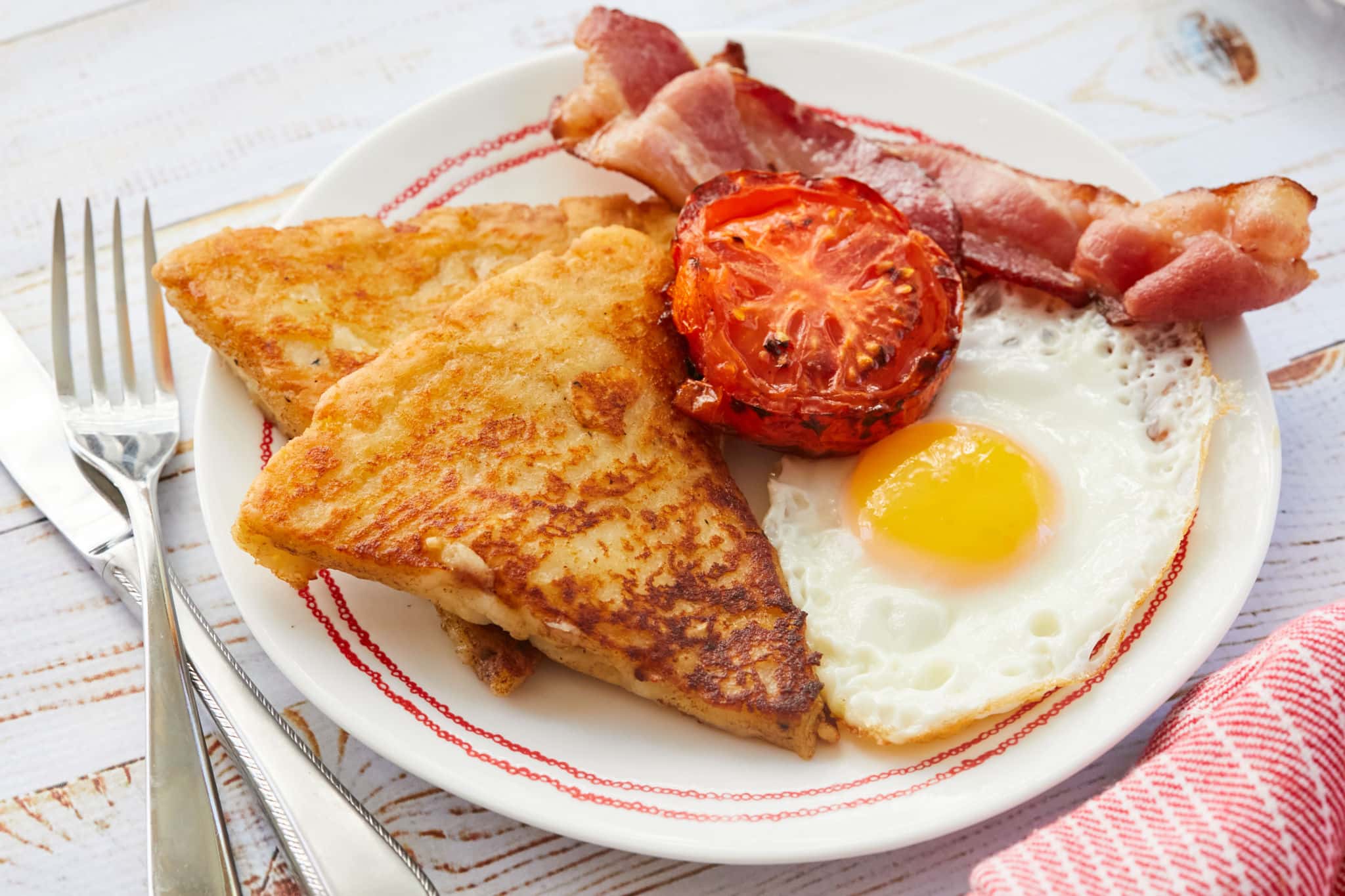
Discovering Potato Farls: A Culinary Journey into Comfort Food
In the realm of comfort food, few dishes evoke the same warmth and tradition as potato farls. These humble, pan-fried potato bread squares, often associated with Scottish and Irish cuisine, are a testament to culinary resourcefulness and the enduring appeal of simple, wholesome ingredients. More than just a breakfast item, potato farls are a versatile staple, cherished for their soft, yielding interior and slightly crispy exterior, offering a delightful counterpoint to a myriad of meals.
Whether you know them as tattie scones in Scotland or potato bread in Ireland, these delicious morsels hold a special place in the hearts and on the plates of many. They represent a tradition of using leftover mashed potatoes to create something new and utterly satisfying. Far from being a mere filler, a perfectly made potato farl can elevate a simple fry-up, complement a hearty stew, or even serve as a unique base for creative toppings. This article will delve deep into the world of potato farls, exploring their history, guiding you through the art of making them, and inspiring you with innovative ways to enjoy this beloved dish.
The Humble Origins of Potato Farls: A Story of Ingenuity and Tradition
The history of potato farls is intrinsically linked to the agricultural landscapes and culinary traditions of Scotland and Ireland. Potatoes, introduced to Europe in the 16th century, quickly became a dietary cornerstone, especially in these regions, thanks to their ease of cultivation and nutritional value. As potatoes became ubiquitous, so too did the ingenuity of home cooks in making the most of every harvest, including leftovers.
Potato farls emerged as a practical and delicious way to transform cold, leftover mashed potatoes into a fresh, satisfying component for the next meal. In times when food waste was unthinkable, turning yesterday's mash into today's bread was not just economical but a culinary art form. The name "farl" itself comes from the Scots word fardel, meaning a fourth part, referring to the traditional way a round of dough is cut into four triangular sections before cooking. This method of preparation speaks to a rustic, hearth-based cooking style that has been passed down through generations.
Across the Scottish border, they are famously known as tattie scones and are an indispensable part of a Full Scottish Breakfast, gracing plates alongside bacon, eggs, black pudding, and lorne sausage. In Northern Ireland, similar potato bread often takes on a slightly different form, sometimes thicker or made with grated potato, but the principle remains the same: a celebration of the humble potato, elevated by simple cooking. This enduring popularity highlights not just their deliciousness, but also their deep cultural roots as a symbol of comfort, tradition, and resourcefulness.
Crafting Perfect Potato Farls: A Step-by-Step Guide to Homemade Goodness
Making your own potato farls from scratch is a rewarding experience that yields incredibly fresh and flavorful results, far superior to anything store-bought. The process is surprisingly straightforward, relying on a few key ingredients and a gentle touch. The secret often lies in starting with the right potatoes and not overworking the dough.
Essential Ingredients:
- Leftover Mashed Potatoes: Crucially, these should be cold and firm. Starchy potatoes like Russets or Maris Pipers work best, as they tend to be drier. Avoid overly creamy or wet mash.
- Plain Flour: All-purpose flour is typical, providing structure.
- Butter: Unsalted, softened, to add richness and tenderness.
- Salt: To enhance the potato flavour.
- Optional: A pinch of baking powder for a slightly lighter texture, or a little milk if the dough is too dry.
Equipment You'll Need:
- Large mixing bowl
- Griddle or heavy-bottomed frying pan
- Rolling pin
- Floured surface
- Spatula
The Process:
- Prepare Your Potatoes: Ensure your mashed potatoes are thoroughly cold. If they seem too wet, you can try to dry them out slightly by mashing them over low heat in a pan for a few minutes, allowing steam to escape.
- Combine Ingredients: In your large mixing bowl, gently combine the cold mashed potatoes, softened butter, and salt. Gradually add the flour, mixing with your hands or a spoon until a soft, pliable dough forms. The exact amount of flour will depend on the moisture content of your potatoes, so add it incrementally until the dough is manageable but not sticky. Avoid over-kneading, as this can make the farls tough.
- Roll It Out: Lightly flour a clean work surface. Turn out the dough and gently knead it just enough to bring it together. Roll the dough into a round approximately 1/4 to 1/2 inch (0.6 to 1.2 cm) thick. The traditional thickness is quite thin.
- Cut the Farls: Using a knife or pastry cutter, cut the round into four equal triangles (the "farls"). You can also use a round cookie cutter for circular potato scones.
- Preheat Griddle/Pan: Heat a dry griddle or heavy-bottomed frying pan over medium heat. Do not add oil or butter to the pan initially, as the farls have enough fat to prevent sticking on a well-seasoned surface.
- Cook: Carefully place the potato farls onto the hot griddle. Cook for 3-5 minutes per side, or until golden brown and cooked through. They should develop a slightly crisp crust.
- Serve Immediately: Remove from the griddle and serve warm.
Tips for Flawless Farls:
- Use Dry Potatoes: This is paramount. Excess moisture will make a sticky dough that requires too much flour, leading to dense, heavy farls.
- Don't Overwork: Handle the dough minimally to keep the farls tender.
- Adjust Flour as Needed: The amount of flour is a guideline. Trust your instincts – the dough should be soft but easy to roll.
- Medium Heat is Key: Too high, and they'll burn outside before cooking inside; too low, and they'll dry out.
- Embrace Imperfection: Homemade farls don't have to be perfectly uniform; their rustic charm is part of their appeal.
Beyond Breakfast: Creative Ways to Enjoy Potato Farls
While potato farls are legendary for their role in a hearty breakfast, their versatility extends far beyond the morning meal. Their mild flavour and satisfying texture make them an excellent canvas for both sweet and savoury pairings, turning them into a delightful addition to any course.
Traditional Pairings:
- The Full Scottish/Irish Breakfast: The quintessential way to enjoy them. Serve hot off the griddle with fried eggs, bacon, sausage, black pudding, grilled tomatoes, and baked beans. The farl acts as a wonderful sponge for the delicious juices.
- With Butter and Jam: For a simpler, traditional treat, serve warm potato farls slathered with butter and your favourite jam or marmalade, much like a scone.
Savoury Innovations:
- As a Side Dish: Replace traditional mashed potatoes or bread rolls with farls alongside stews, roasts, or hearty casseroles. They are fantastic for soaking up gravy.
- Mini Pizza Bases: Top smaller farls with tomato sauce, cheese, and your favourite pizza toppings, then grill or bake until the cheese is melted and bubbly. A great snack for kids!
- Canapés/Appetizers: Cut farls into bite-sized pieces and top with smoked salmon and cream cheese, a dollop of sour cream and chives, or even a small portion of haggis for a truly Scottish experience.
- Open-Faced Sandwiches: Use a larger farl as the base for an open sandwich. Top with scrambled eggs and smoked salmon, corned beef hash, or even avocado and a fried egg for a modern twist.
- Soup Dippers: Serve warm, buttered farls as an accompaniment to a warming bowl of lentil soup or leek and potato soup.
Sweet Surprises:
- While predominantly savoury, don't shy away from exploring sweeter options. A sprinkle of cinnamon sugar while still warm, or a drizzle of maple syrup, can transform them into a unique dessert or afternoon tea treat.
For more advanced techniques and troubleshooting common issues when making your own, check out potato farls - Article 2. Discover even more regional variations and unique flavor pairings in potato farls - Article 3, where we explore how these delightful potato cakes are adapted across different cultures and cuisines.
Nutritional Value and Dietary Considerations of Potato Farls
Potato farls, at their core, are a relatively simple food, primarily composed of potatoes, flour, and a small amount of fat. This means they are largely carbohydrate-based, offering a good source of energy, making them an excellent fuel for an active day.
Nutritional Highlights:
- Energy Source: Rich in carbohydrates from the potatoes and flour, providing sustained energy release.
- Potassium: Potatoes are a good source of potassium, an essential electrolyte.
- Fibre: While not exceptionally high, they do contain some dietary fibre, especially if made with unpeeled potatoes or a portion of whole wheat flour.
Dietary Adaptations:
- Reducing Fat: You can reduce the amount of butter used in the dough, or opt for a low-fat butter alternative, to decrease the overall fat content. Cooking on a non-stick griddle with minimal or no added fat during frying can also help.
- Gluten-Free Options: For those with gluten sensitivities, potato farls can be adapted by using a suitable gluten-free flour blend. The texture might vary slightly, but delicious results are still achievable.
- Vegan-Friendly: To make them vegan, simply substitute the dairy butter with a plant-based butter alternative. They are naturally egg-free.
- Adding Vegetables: For an extra nutritional boost, finely chopped chives, spring onions, or even a small amount of grated carrot can be folded into the dough.
As with any food, moderation is key. Potato farls are a hearty and satisfying addition to any meal, and by being mindful of portion sizes and preparation methods, they can certainly fit into a balanced diet. Their inherent simplicity makes them a forgiving dish, allowing for various adaptations to suit different dietary needs and preferences.
Conclusion: The Enduring Appeal of Potato Farls
From their humble beginnings as a thrifty way to transform leftover potatoes into a culinary delight, potato farls have secured their place as a cherished comfort food. Their versatility, ease of preparation, and deeply satisfying taste make them a staple in traditional breakfasts and an exciting component for contemporary dishes. Whether you call them tattie scones or potato bread, these golden triangles offer a taste of history, a touch of home, and endless possibilities for culinary exploration. So, the next time you have leftover mash, resist the urge to discard it. Instead, embark on the delightful journey of crafting your own potato farls and discover the simple pleasure of this timeless, beloved dish.
